

Japan is entering a pivotal moment in its post-pandemic evolution, marked by strong inbound tourism recovery, renewed international business interest, and a strategic shift toward sustainable, regionally balanced growth. In 2026, the country is no longer focused solely on volume, it is redefining how it welcomes travelers, investors, and partners from around the world.
Inbound tourism continues to break records, driven by pent-up demand, improved air connectivity, and Japan’s enduring appeal as a destination that blends tradition, innovation, and safety. However, this growth has also prompted new policy discussions around capacity management, overtourism, and the preservation of cultural assets. In response, national and local governments are actively promoting regional destinations, encouraging longer stays and deeper engagement beyond Tokyo, Kyoto, and Osaka.
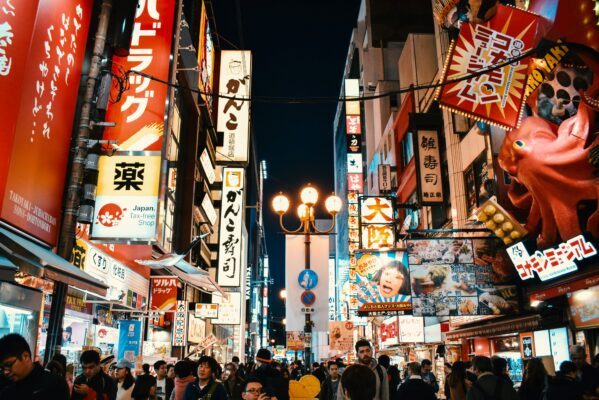
Rural regions and secondary cities are emerging as key pillars of Japan’s tourism strategy. With government support, local communities are investing in infrastructure, cultural programming, and experiential travel, from nature-based adventures and spiritual retreats to artisan workshops and farm stays. This shift aligns with global travel trends favoring authenticity, sustainability, and meaningful human connection.
At the same time, Japan is reinforcing its position as a stable and attractive market for international businesses. Efforts to simplify market entry, support innovation, and encourage foreign investment are gaining momentum, particularly in sectors such as technology, green energy, tourism services, and creative industries. Cultural fluency, long-term commitment, and trusted local partnerships remain essential for success but opportunities are expanding for companies willing to engage thoughtfully with the Japanese market.
For travel professionals, corporations, and international organizations, these developments signal an important transition. Japan is no longer just a destination or a market, it is a complex ecosystem where cultural heritage, economic strategy, and future-oriented thinking converge. Navigating this landscape requires not only operational expertise, but also a deep understanding of local context, values, and expectations.
As Japan continues to balance global openness with cultural preservation, those who approach the country with respect, curiosity, and strategic vision will find lasting opportunities for collaboration, growth, and meaningful exchange.