
SPIRITUAL TOURISM IN JAPAN

Spiritual Tourism in Japan Focused on Mindfulness, Pilgrimage, and Inner Discovery

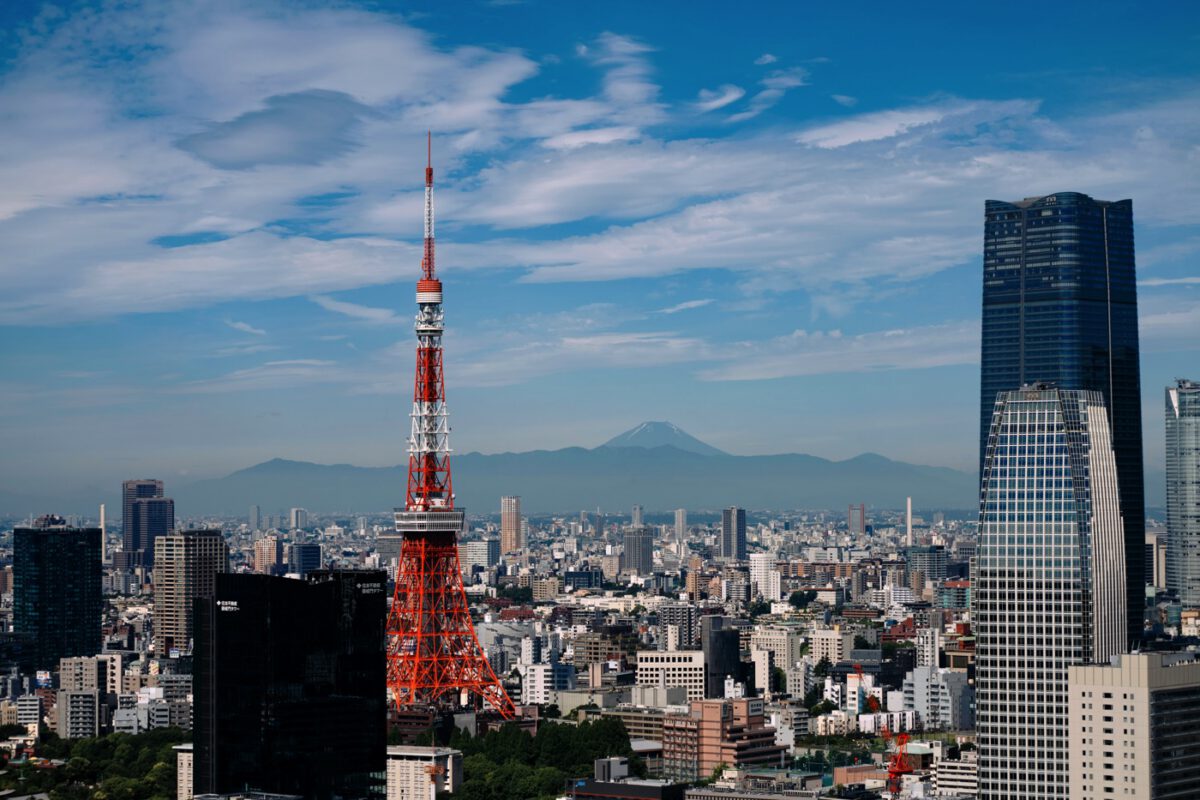
Japan is uniquely positioned to respond to the growing global demand for spiritual tourism, offering meaningful travel experiences grounded in centuries-old traditions. Across the country, nature, ritual, and introspection converge, creating a quiet yet powerful environment for travelers seeking restoration, purpose, and inner balance.
Pilgrim Trails ––––––––––––––––

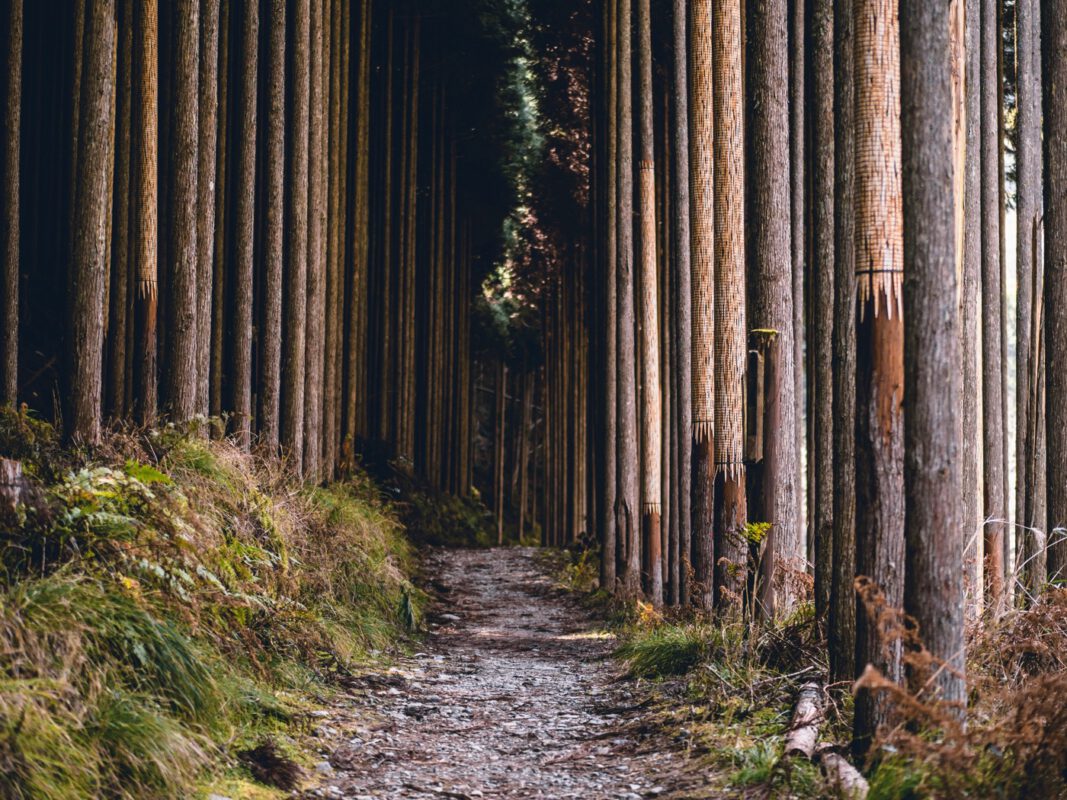
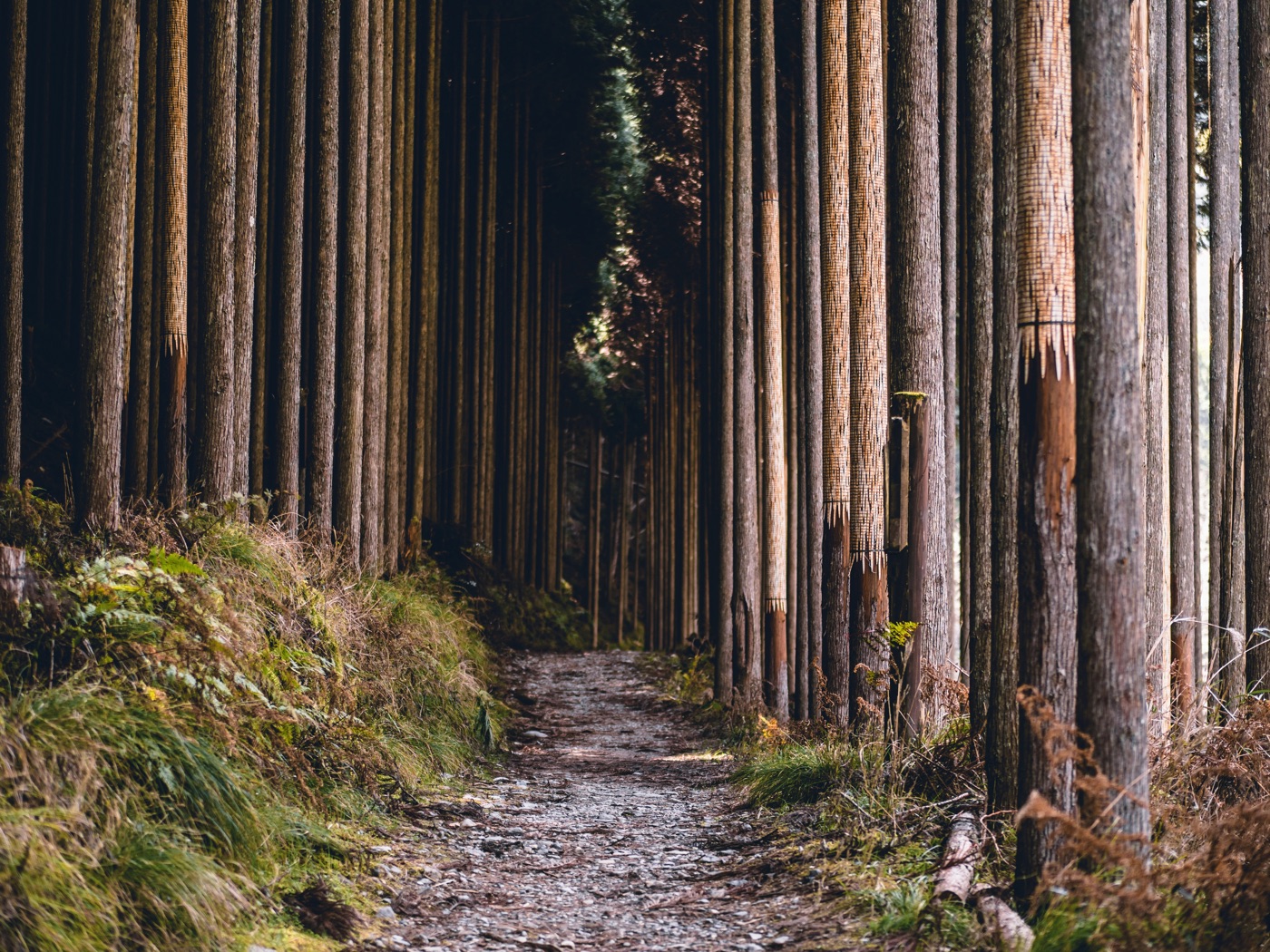
Pilgrimage routes are central to spiritual tourism in Japan, weaving together faith, landscape, and self-discovery. The Kumano Kodo, a UNESCO World Heritage network of sacred mountain trails, invites travelers to follow paths once walked by emperors and monks, surrounded by forests, waterfalls, and ancient shrines.

Other iconic journeys include the Shikoku 88-temple pilgrimage, spanning 1,200 kilometers of devotion, and seasonal ascents of Mount Fuji, where reaching sunrise at the summit becomes a ritual of renewal and reflection.

Temple Stay  ––––––––––––––––

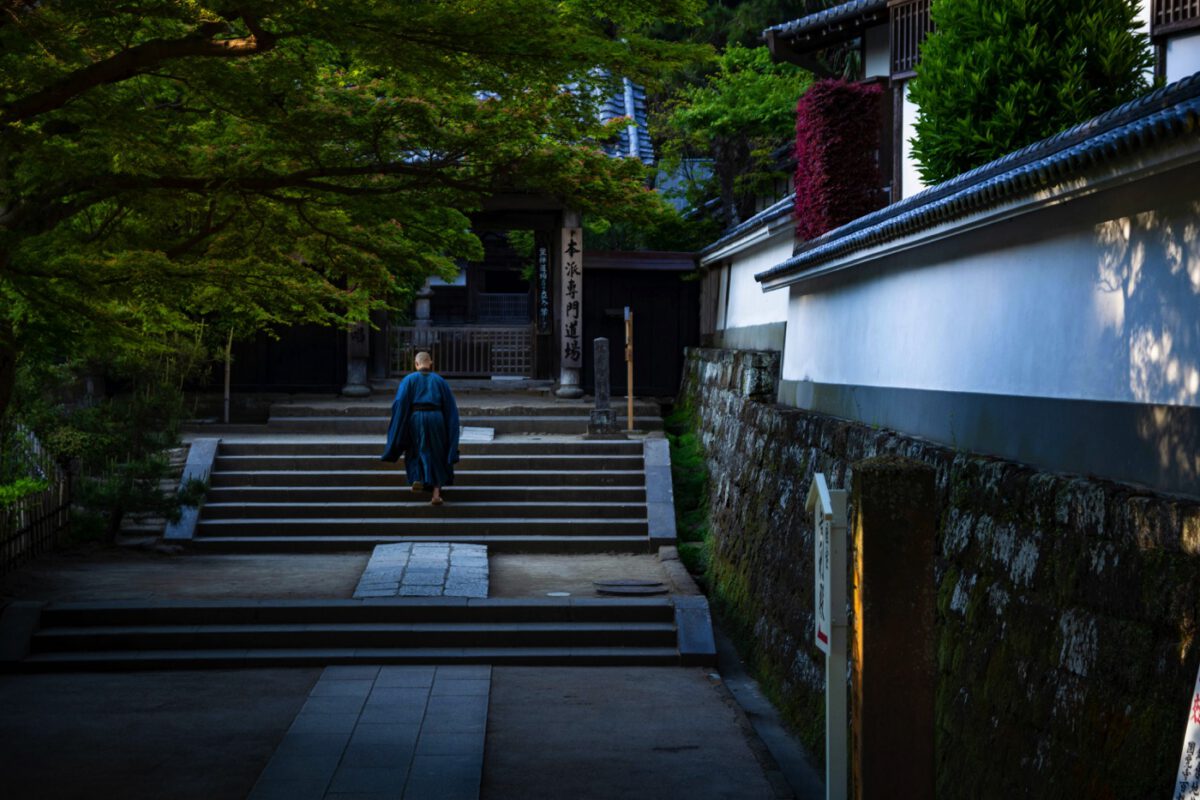
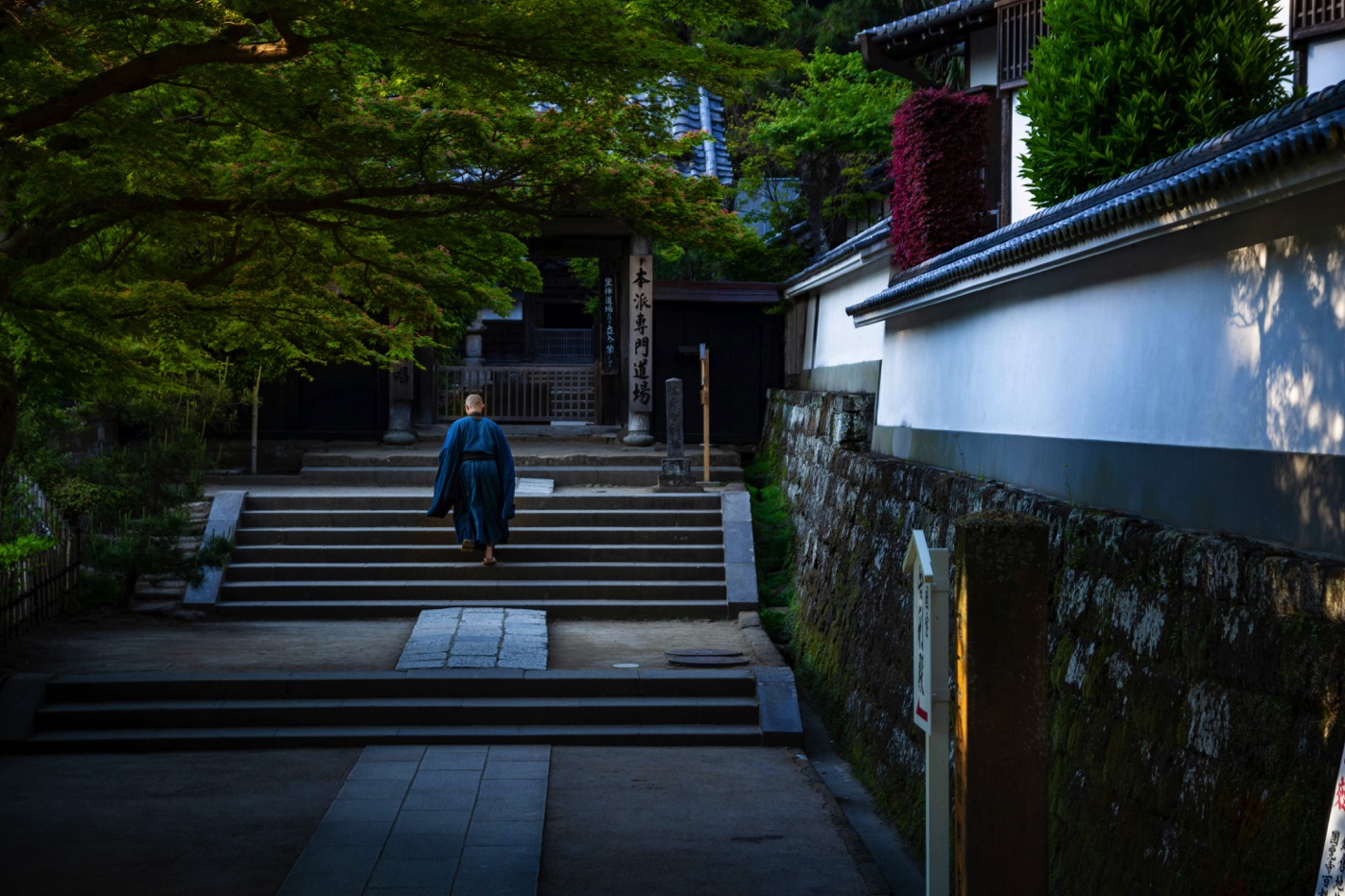
Temple stays, known as shukubō, offer an intimate entry point into spiritual tourism Japan. Guests live within historic monasteries, aligning with the rhythms of monastic life through early morning chants, meditation practices, and meals based on shōjin ryōri, the refined vegan cuisine of Buddhist temples.

Whether in the sacred setting of Kōyasan or in quieter rural regions such as Nagano or Tottori, these stays create space for contemplation, cultural immersion, and spiritual exploration away from modern distractions.

Mindfulness ––––––––––––––––

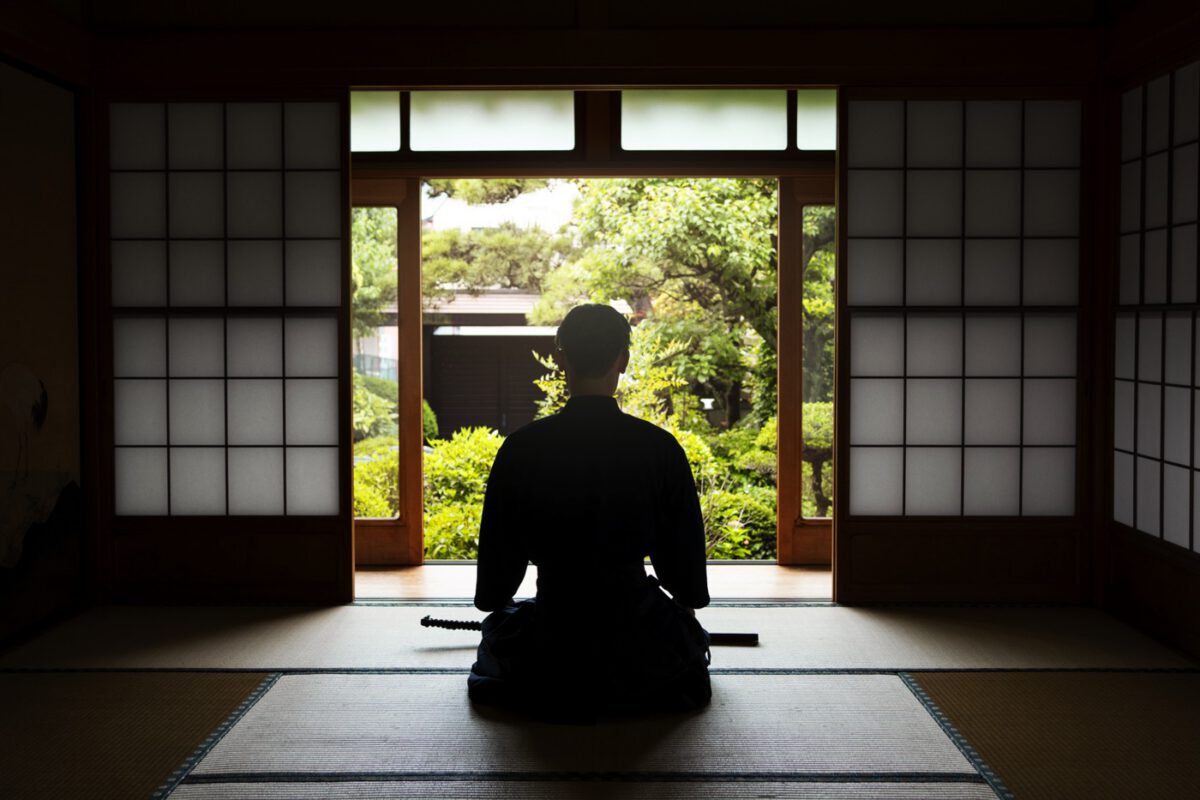
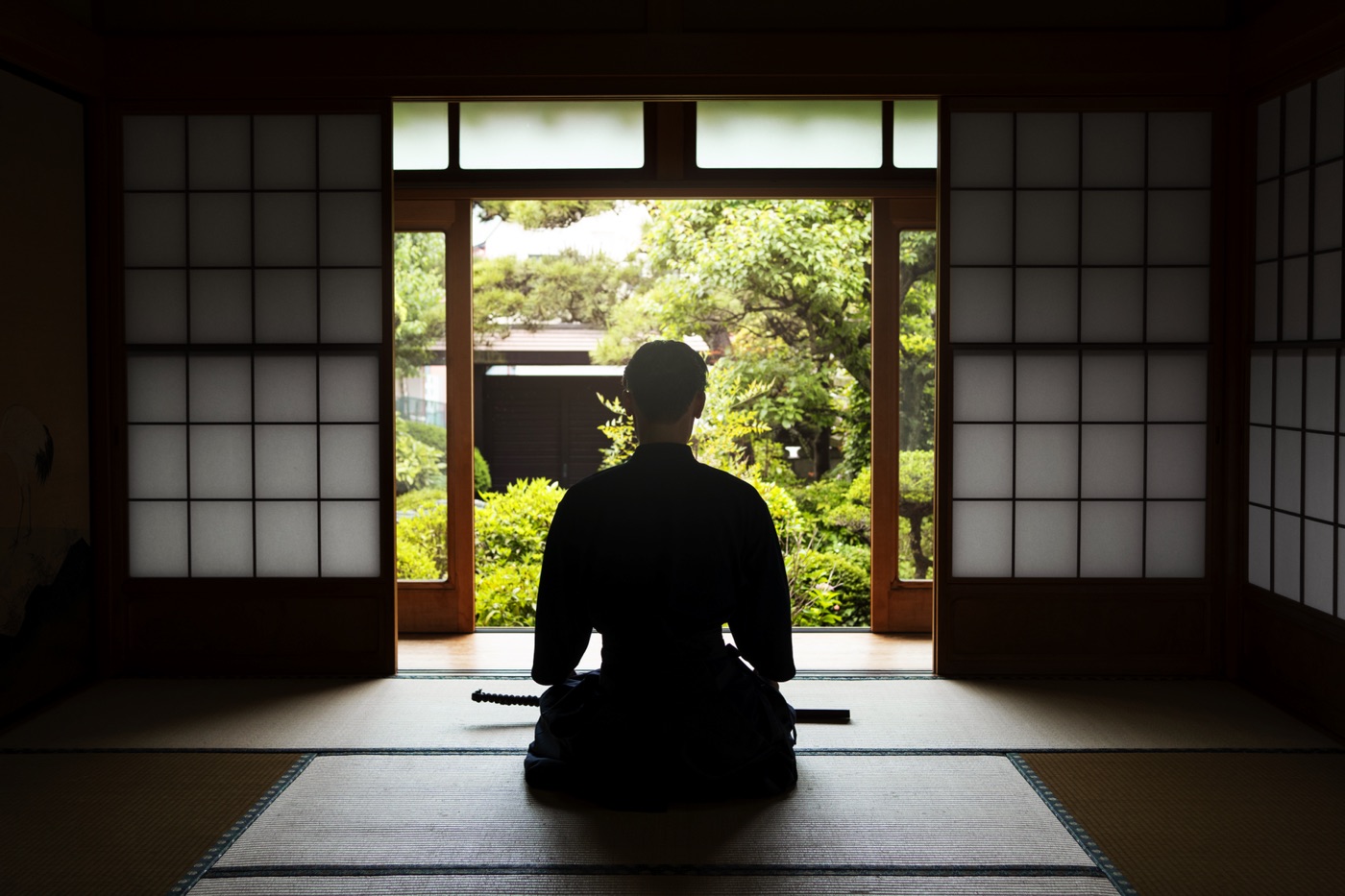
Temple stays, known as shukubō, offer an intimate entry point into spiritual tourism Japan. Guests live within historic monasteries, aligning with the rhythms of monastic life through early morning chants, meditation practices, and meals based on shōjin ryōri, the refined vegan cuisine of Buddhist temples.

Whether in the sacred setting of Kōyasan or in quieter rural regions such as Nagano or Tottori, these stays create space for contemplation, cultural immersion, and spiritual exploration away from modern distractions.

Forest Bathing ––––––––––––––––

Shinrin-yoku, or forest bathing, originated in Japan and is now globally recognized for its therapeutic benefits. This practice encourages mindful immersion in natural environments and has been shown to reduce stress while supporting mental and physical well-being.

Japan’s ancient cedar forests, protected national parks, and remote woodland paths provide an ideal setting for certified forest therapy programs, guided walks, and personalized retreats that blend ecological awareness with emotional balance.